
The Action Cohort
A collective course of action for change at scale
Being part of the Action Cohort means receiving practical support to move from intention to impact. Through a clear phased approach, members gain the tools, insights, and guidance needed to track progress, strengthen credibility, and drive meaningful change.
Step One
Report to build clarity and momentum
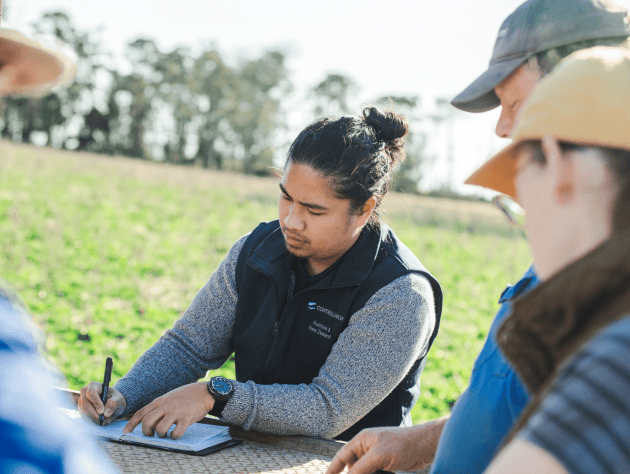
Action Cohort members begin by tracking material volumes and actions within preferred production systems through annual reporting.
This creates a consistent, credible way to measure progress, identify gaps, and provide valuable insights on where action will have the greatest impact. Reporting also enables benchmarking against peers, helping members build internal alignment and lay the foundation for more targeted, effective action over time.
For many current members, this will be a continuation of reporting through our Materials Benchmark. Reporting requirements will follow a phased timeline.
In 2026
Brands, retailers, and Tier 1–3 suppliers can continue or begin to voluntarily report through an updated version of the Materials Benchmark. For Tier 4 organizations, Textile Exchange’s focus in 2026 will be to work on better utilizing existing volume data collection mechanisms, such as our Materials Market Report, to track progress within the community.
From 2027 onward
Reporting will become mandatory for brands and retailers. For organizations in Tiers 1–3 and Tier 4, the mandatory introduction of reporting requirements will be on a longer timeline.
Step Two
Verify best practice to strengthen credibility and outcomes
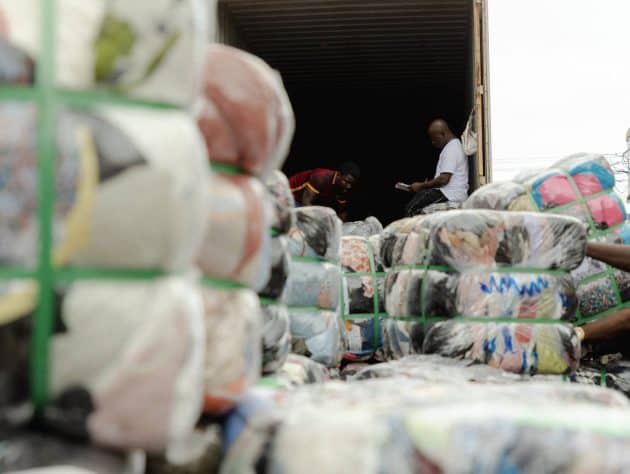
As members progress, the focus is on sourcing and producing materials within systems that verify best practices, including through Textile Exchange standards and other recognized certification and verification programs. Verification builds trust by ensuring that practices, data, outcomes, and claims are accurate, consistent, and independently assessed. Progress is tracked through reporting and supporting evidence, giving members confidence in the integrity of their actions and outcomes.
What is verified best practice?
Best practice verification will focus on actions in key areas, including:
- Pesticide and fertilizer use
- Deforestation and conversion
- Animal welfare
- Textile-to-textile recycling
- Human rights and livelihoods
- Overall certified/verified sourcing
Setting achievable and meaningful targets—aligning ambition with collective progress
Brands and retailers in the Action Cohort are supported to set targets that increase the proportion of materials sourced from preferred production systems, aligned with Textile Exchange’s aggregate targets. More details will be released shortly.
What do we mean by aggregate targets?
Textile Exchange has created aggregate targets that focus on key actions within preferred production system pathways needed to achieve the industry’s climate and nature goals. These targets provide a shared direction and level of ambition, helping drive meaningful, large-scale progress across the industry.
The aggregate approach was chosen after stakeholder feedback highlighted the difficulty of prescribing specific targets for brands and retailers. The targets were developed through extensive consultation with internal and external stakeholders and aligned with relevant voluntary and regulatory frameworks. Their ambition is informed by data from the Textile Exchange Materials Benchmark, along with industry research and frameworks.
Participants in the Action Cohort must set their own targets that align with and contribute to achieving these aggregate targets.
Why aggregate targets matter
Aggregate targets provide a clear direction of travel for the industry. They are grounded in:
- Extensive data analysis
- In-depth research
- Mapping against relevant voluntary and regulatory frameworks
- Extensive stakeholder consultation
We believe these targets are critical to the achievement of the industry’s overarching climate and nature impact goals.
Targets for six priority materials
Textile Exchange will set aggregate targets for its six priority materials, which have been identified based on current volume and impact data:
- Cotton
- Wool
- Bovine leather
- Polyester
- Nylon
- Manmade cellulosic fibers (MMCFs)
Brand and retailer members will set (or confirm the existence of) their own meaningful commitments against these targets.
The targets will be published in late spring 2026.
Tracking progress
Progress toward these materials targets is tracked through annual reporting. This focuses on the materials that fall within the top 80% of an organization’s materials volume.
Target setting
The phased target-setting timeline
From 2027, brands and retailers will be expected to set targets. Tier 1–3 and Tier 4 members follow a longer, supported timeline.
The targets below are aggregate targets related to the sourcing of certified or verified materials and fibers. This is the first of series of aggregate targets, with the others being published in late spring 2026, along with more detailed target-setting guidance.
| Material | Target for 2035 | Interim 2030 Target |
|---|---|---|
| Wool | 100% | 70% |
| Cotton | 100% | 85% |
| Nylon | 35% | 25% |
| Polyester | 100% | 75% |
| Bovine leather | Increase the proportion of bovine leather from certified or verified sources. | |
| Manmade cellulosic fibers (MMCFs) | Increase the proportion of MMCFs sourced from suppliers identified as having good sourcing practices by a credible and science-backed initiative. | |
Step Three
Lead to deliver impact at scale
Working with those organizations already reporting and sourcing or producing through verified production systems, as well as strategic partners, we will co-create the “Lead” step of the journey, aligning around a shared purpose for how we move collectively forward toward system transformation. By contributing through coordinated collective action, members benefit from pooled resources and equitable decision-making, bringing together time, expertise, and networks. With the right structures in place, members are supported to achieve beneficial impacts and take decisive actions that contribute to system-wide impact beyond what any one organization could deliver alone.

Timeline
Transitioning our existing community
Existing members will have time and support to move into the new structure. As organizations renew their membership between April 2026 and March 2027, we will be in touch with a personalized transition plan to ensure they’re in the cohort that best fits their needs and their organizational status.
Our team will be there every step of the way to help ensure all organizations are on the right path while contributing to meaningful industry-wide change.
If you have any questions, please get in touch with our team at: membership@textileexchange.org

Get in Touch
Ready to join us?
From April, we will be welcoming new organizations into our Action and Community cohorts. In the meantime, please get in touch with our team if you have any questions or would like more information.