
The Responsible Alpaca Standard aims to improve the welfare of alpacas and the the ecosystems in which they are raised
The Responsible Alpaca Standard (RAS) is a voluntary standard that requires all sites, from alpaca farms through to the seller in the final business-to-business transaction, to be certified. RAS farmers and ranchers are evaluated against animal welfare, land management, and social requirements set in the standard.
We’re transitioning to the Materials Matter Standard and system
We’re unifying and harmonizing our current suite of standards into the Materials Matter Standard, a voluntary sustainability standard for the production and primary processing of raw materials used in the fashion, textile, and apparel industry. It represents a pivotal shift in connecting this work more directly to measurable outcomes for climate, nature, people, and animals.
The new standard sets detailed requirements for the production and primary processing of raw materials—from how land, water, and energy are used, to how working conditions, animal welfare, emissions, chemicals, and waste are managed. Its purpose is to provide a common language and shared direction for the industry, while recognizing the unique contexts of different material producers, processors, and the communities and landscapes they depend on.
The criteria for Materials Matter Standard were released on December 12, 2025, with the standard becoming effective on December 31, 2026 and mandatory from December 31, 2027. From that point, all Tier 4 organizations will need to complete their next audit to the new standard to maintain their certification.
For more information on the timeline, transition, and relevant information regarding mohair, please visit the Materials Matter Standard and standards transition pages.
GOALS
Setting criteria for progressive agricultural practices that are better for animals and the land
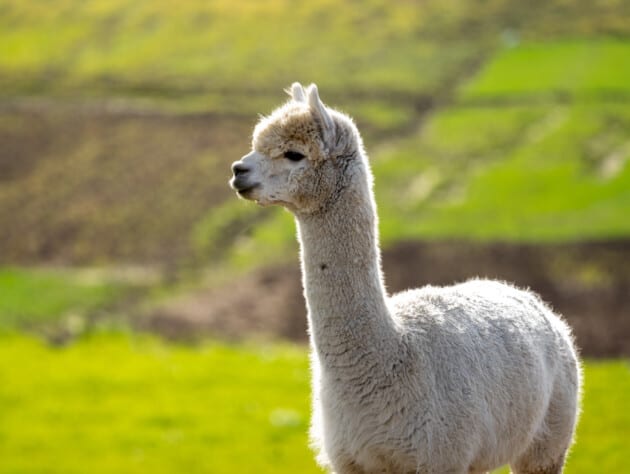
HOW IT WORKS
Incentivizing best practices and managing chain of custody
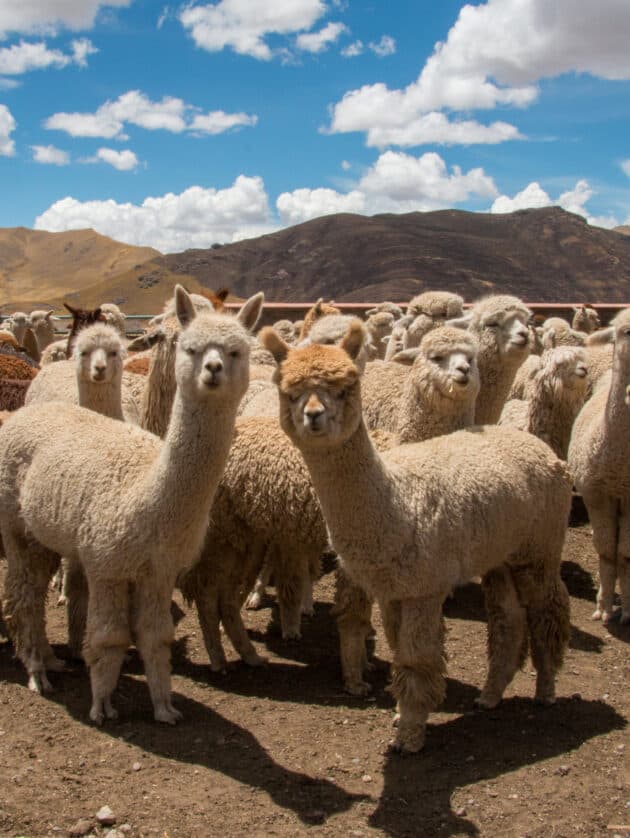
DEVELOPMENT
Previous revisions and changes
Version 1.0 of the Responsible Alpaca Standard was released on April 20, 2021.
Frequently Asked Questions
If you have a question not answered here, get in touch with us directly, and we’ll be happy to answer it for you.
Are Textile Exchange standards recognized globally?
Yes, all our standards apply globally. You can use our logos worldwide as long as you meet the requirements for logo use and claims.
Do you have translations of your standards available in other languages?
Visit the Document Library to see all standards documents. For some, translations are available.
Can I use your standards to know the identity of an alpaca farm?
Our standards aren’t designed to provide full supply chain transparency. If you’re interested in doing the work of identifying all of sites, then you need to work directly with your suppliers and request that they disclose their sources to you. We are working on the development of a traceability system, however. You can learn more here.